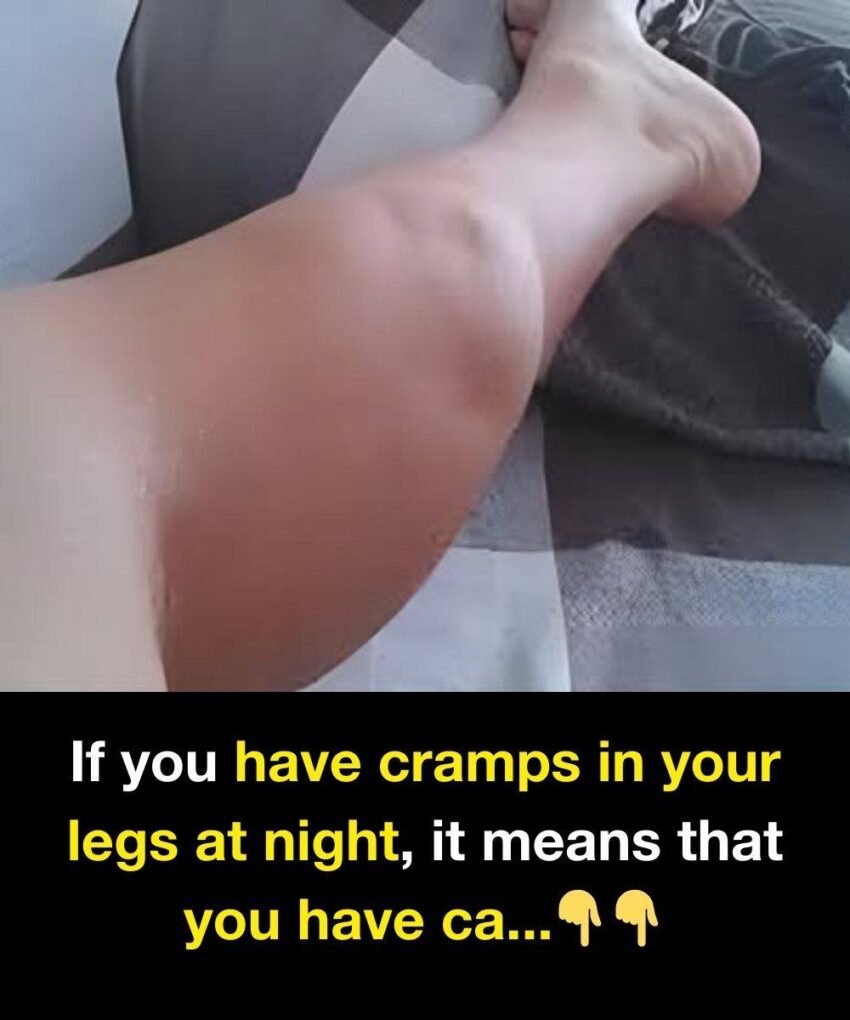
Night cramps (often called nocturnal leg cramps) are sudden, painful muscle contractions—usually in the calf or foot—that happen during sleep. They’re common, but some groups are more prone than others.
🧠 Who Is Most at Risk of Night Cramps?
👵 Older adults
- Risk increases with age, especially after 50
- Muscle mass and nerve function naturally decline over time
🤰 Pregnant women
- Especially common in the 2nd and 3rd trimester
- Linked to circulation changes and increased pressure on leg muscles
🏃 People who are very active (or not active enough)
- Overuse or muscle fatigue can trigger cramps
- On the flip side, long periods of sitting or inactivity can also cause them
💧 People who are dehydrated
- Low fluid levels can disrupt muscle function
- Electrolyte imbalances (low potassium, magnesium, calcium) also play a role
💊 People taking certain medications
Some drugs increase risk, including:
- Diuretics (water pills)
- Statins (cholesterol-lowering drugs)
- Certain asthma medications
❤️ People with underlying health conditions
Higher risk if you have:
- Peripheral Artery Disease (reduced blood flow to legs)
- Diabetes (nerve damage can contribute)
- Kidney Disease
- Thyroid Disorders
- Neurological Disorders
👞 People with poor posture or foot position
- Sleeping with feet pointed downward (plantar flexion) can trigger calf cramps
⚠️ When to be concerned
Occasional cramps are usually harmless. But you should consider medical advice if:
- They happen frequently or are severe
- There’s swelling, redness, or weakness
- They interfere with sleep regularly
💡 Simple prevention tips
- Stay hydrated throughout the day
- Stretch calves before bed
- Keep bedding loose around your feet
- Maintain moderate physical activity
- Check medications with your doctor if cramps are frequent
If you want, I can help you figure out what might be causing your cramps specifically or give you quick relief techniques that work immediately when a cramp hits.