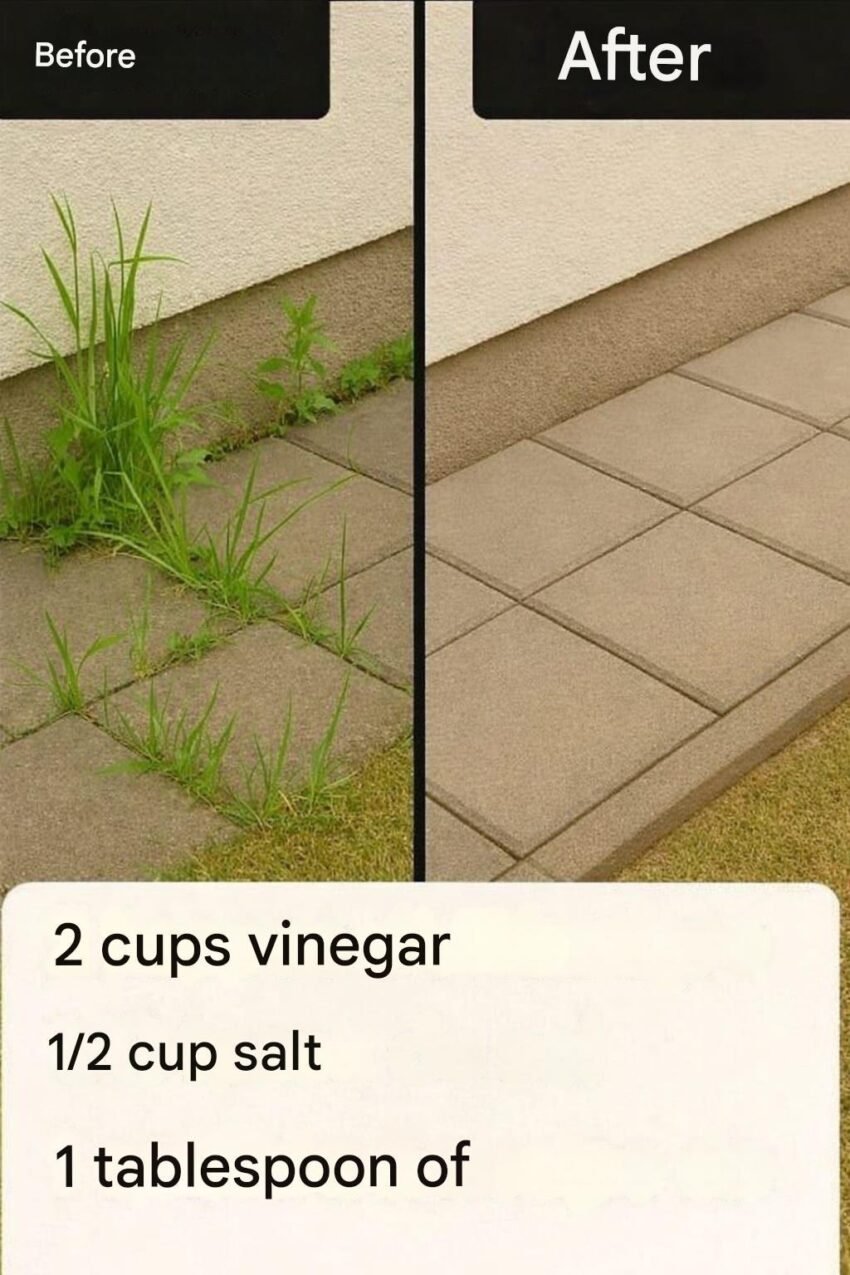
If you’re looking for something “super effective,” it’s worth being clear upfront: the strongest herbicides (like glyphosate) work because they’re systemic—they move through the plant and kill the roots. Most homemade options don’t do that. They’re contact herbicides, meaning they burn or damage what they touch, and tough weeds can regrow.
That said, you can still make a very effective homemade herbicide for many common weeds:
🌿 Simple & Effective Homemade Herbicide
1. Vinegar + Salt + Dish Soap (most popular)
Ingredients:
- 1 gallon white vinegar (5% acidity; stronger “horticultural vinegar” works faster)
- 1 cup salt
- 1 tablespoon liquid dish soap
How it works:
- Vinegar (acetic acid) burns leaves
- Salt dehydrates the plant
- Soap helps the mixture stick to leaves
Instructions:
- Warm the vinegar slightly (helps dissolve salt).
- Mix in salt until dissolved.
- Add dish soap and stir gently.
- Pour into a spray bottle.
How to use:
- Spray directly on leaves (don’t soak the soil unless you want nothing to grow there).
- Apply on a hot, sunny day for best results.
- Works best on young weeds.
⚠️ Important Warnings
- Salt stays in soil: It can prevent anything from growing there for a long time.
- This mix is non-selective—it will damage any plant it touches.
- Avoid spraying near desirable plants or lawns.
- Reapplication is often needed for deep-rooted weeds.
🌱 Alternative (Safer for Soil)
Boiling Water
- Just pour directly on weeds (great for cracks in driveways).
- Kills roots better than vinegar mixes in some cases.
- No chemicals left behind.
🔥 Stronger DIY Option (with caution)
High-Acidity Vinegar (20% acetic acid)
- Much stronger than kitchen vinegar.
- Can cause skin burns and eye injury—use gloves and eye protection.
- More effective on stubborn weeds but still mostly contact-based.
💡 Tips for Maximum Effectiveness
- Target young, actively growing weeds.
- Spray during dry, sunny weather.
- Repeat treatments every few days if needed.
- For perennial weeds, combine with manual root removal.
If you want, tell me what kind of weeds you’re dealing with (grass, dandelions, deep-rooted, etc.), and I can suggest a more targeted approach that actually prevents regrowth.