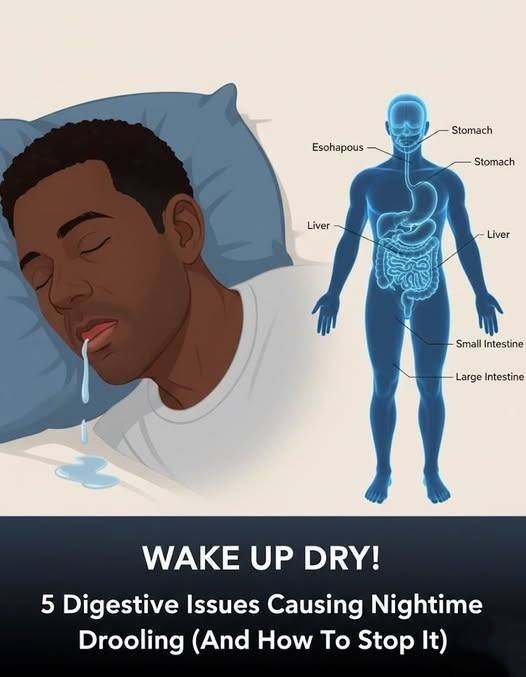
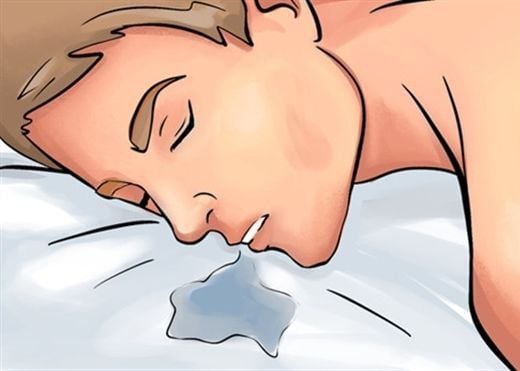
Drooling during sleep (sometimes called sleep drooling) is common, but if it happens very frequently or suddenly increases, it may signal an underlying health issue. Doctors refer to excessive drooling as Sialorrhea.
Occasional drooling usually occurs due to sleep position or deep sleep, but persistent drooling can sometimes be linked to certain medical conditions.
6 Diseases That May Be Linked to Excessive Drooling
1. Sleep Apnea
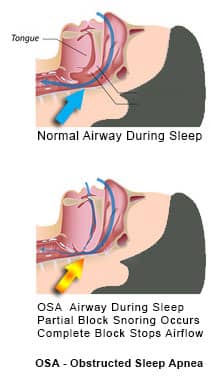


Sleep Apnea is a condition where breathing repeatedly stops and starts during sleep.
Why drooling happens
- Mouth breathing during sleep
- Relaxed throat muscles
- Poor swallowing reflex during sleep
Other warning signs
- Loud snoring
- Morning headaches
- Daytime sleepiness
- Dry mouth when waking
2. Acid Reflux (GERD)
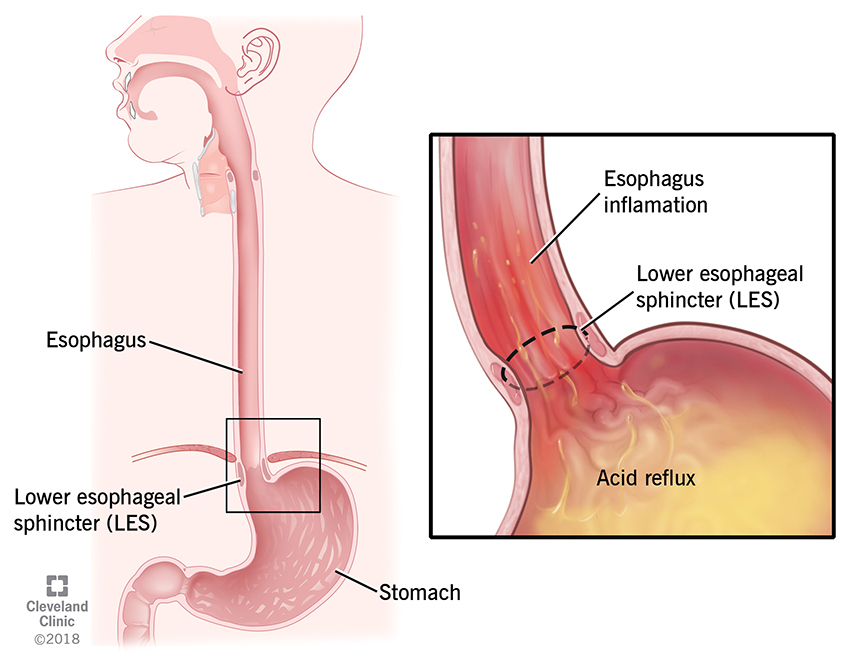

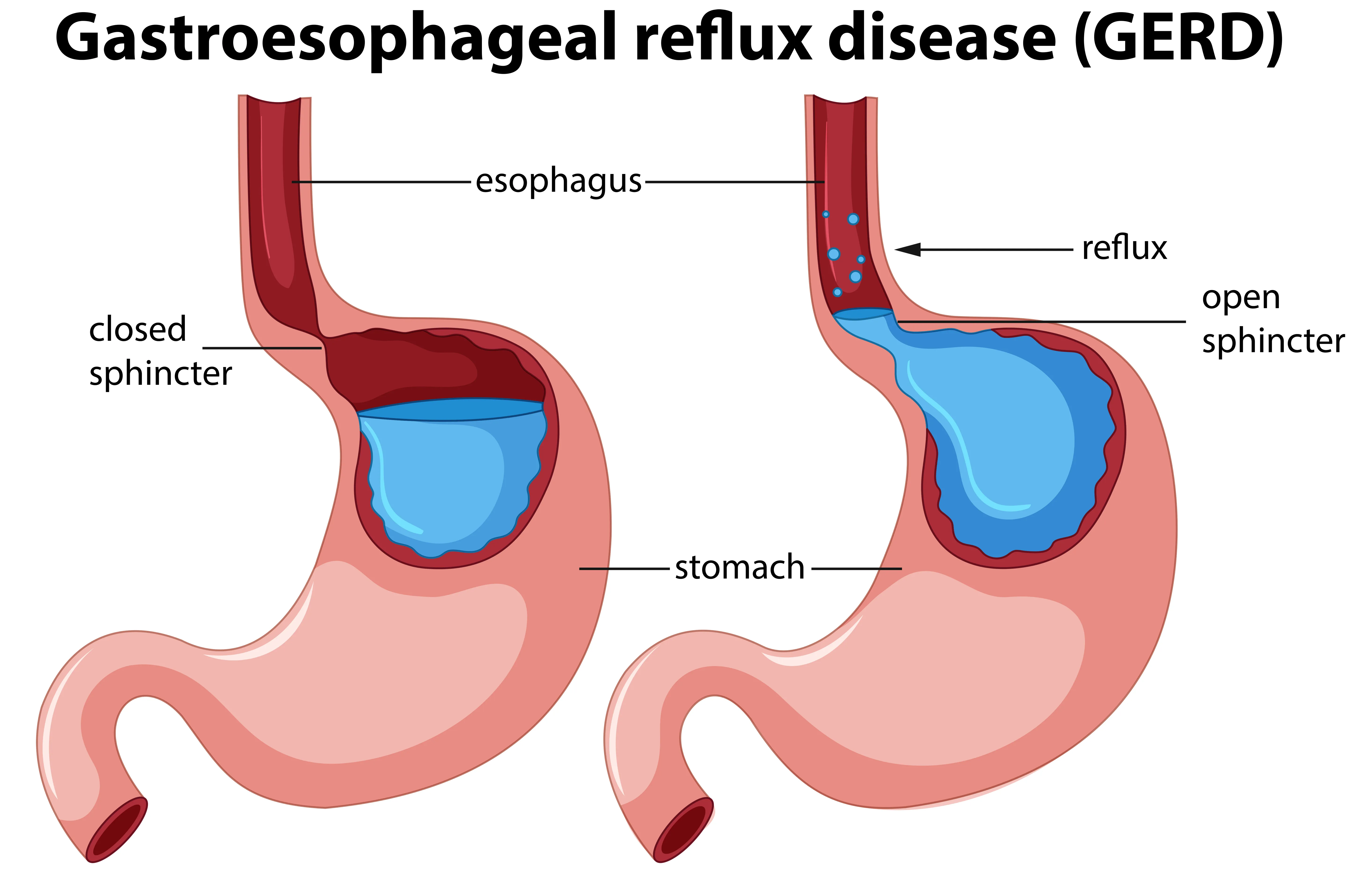

Gastroesophageal Reflux Disease can cause the body to produce extra saliva.
This is known as “water brash”, a reflex where the body tries to neutralize stomach acid.
Common symptoms
- Burning sensation in chest
- Sour taste in mouth
- Nighttime cough
- Difficulty swallowing
3. Sinus Infections

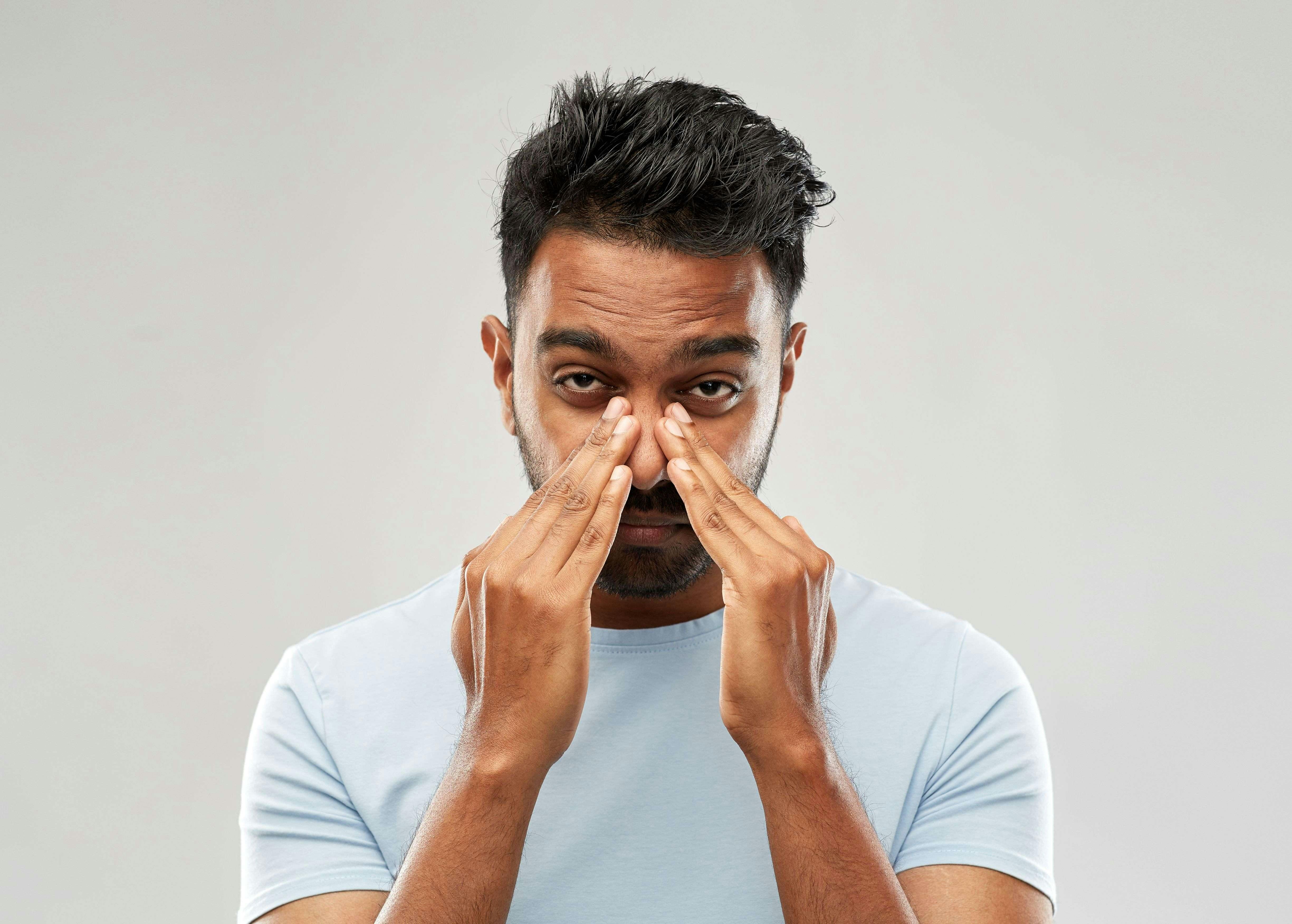


Sinusitis can block nasal passages.
Result
- You breathe through the mouth during sleep
- Saliva escapes because the mouth stays open
Other symptoms
- Facial pressure
- Thick nasal mucus
- Headaches
- Reduced sense of smell
4. Parkinson’s Disease

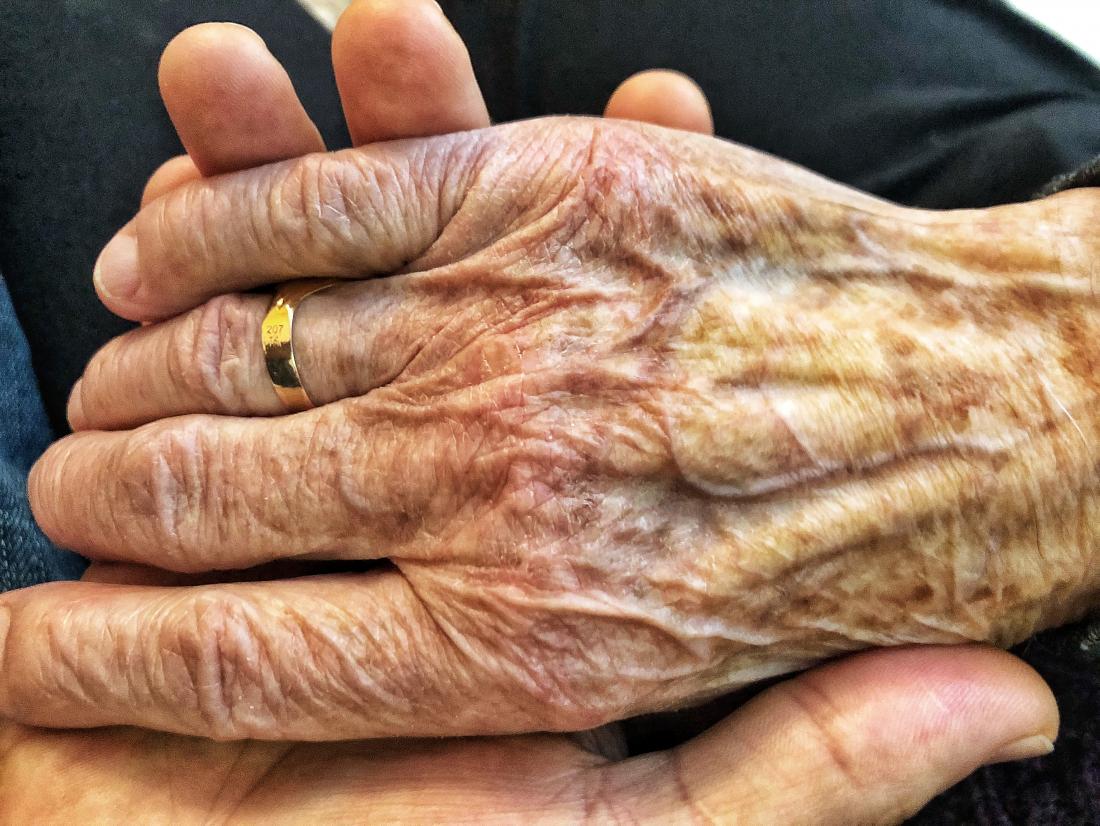
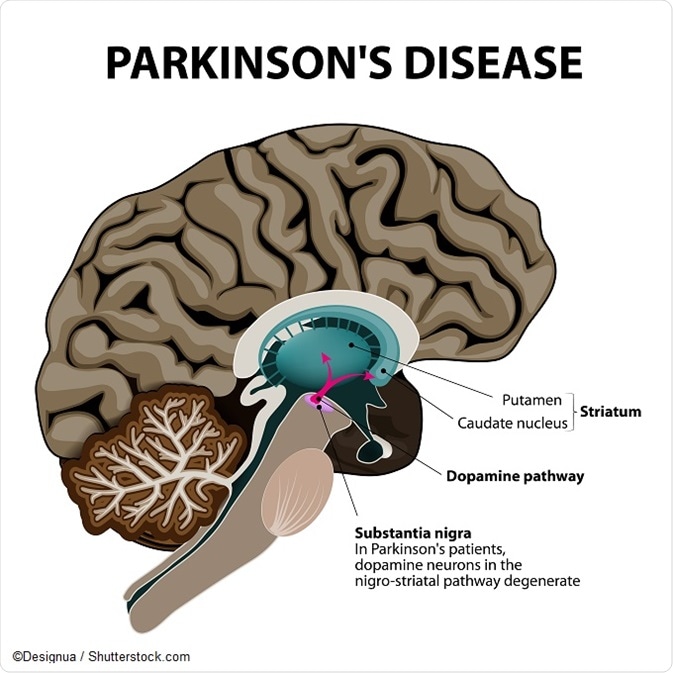
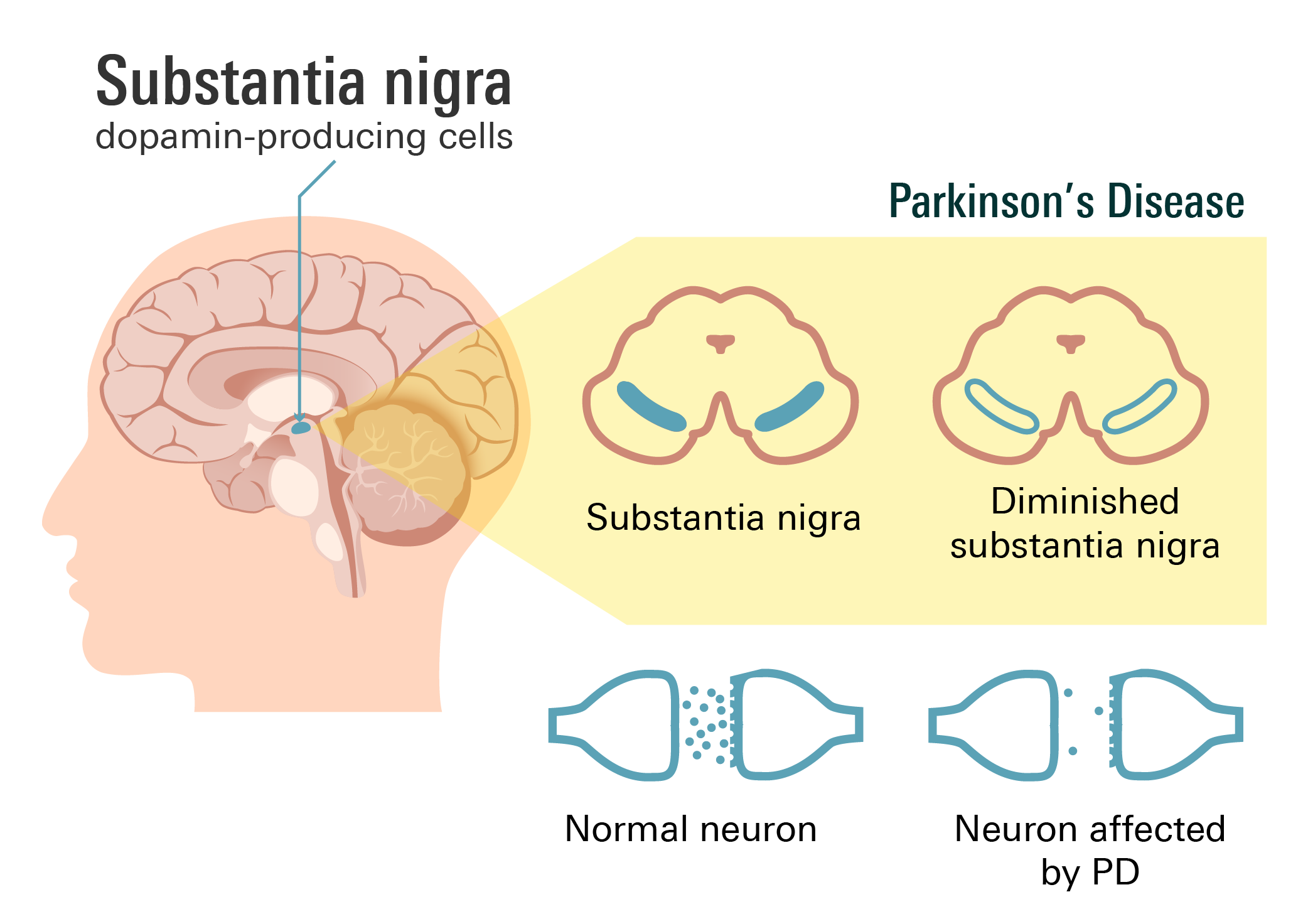
Parkinson’s Disease affects muscle control.
People with this condition may have difficulty swallowing, causing saliva to accumulate and drool.
Other symptoms
- Tremors
- Slow movement
- Muscle stiffness
- Balance problems
5. Stroke
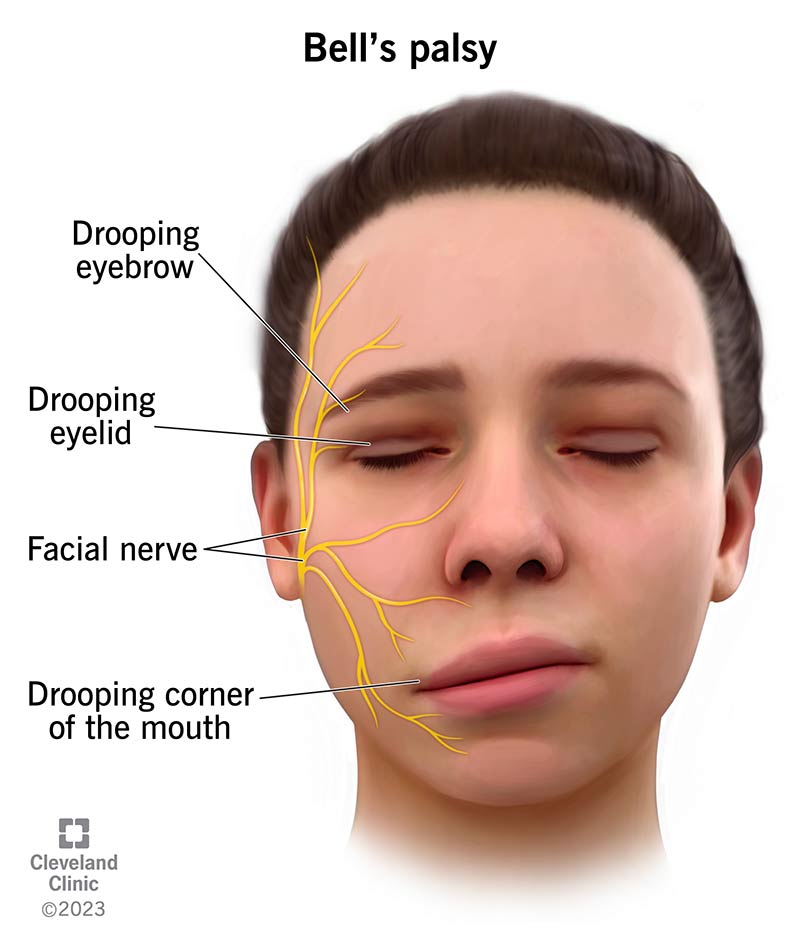

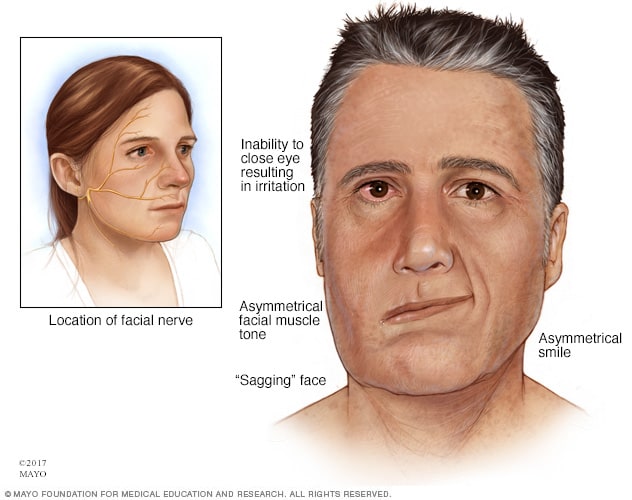
A previous or ongoing **Stroke can weaken facial muscles.
This can cause:
- Drooling from one side of the mouth
- Difficulty controlling saliva
- Trouble swallowing
Emergency signs
- Face drooping
- Arm weakness
- Slurred speech
Immediate medical help is critical.
6. Severe Allergies
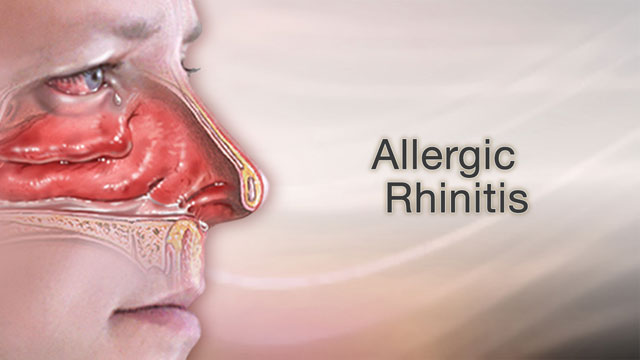
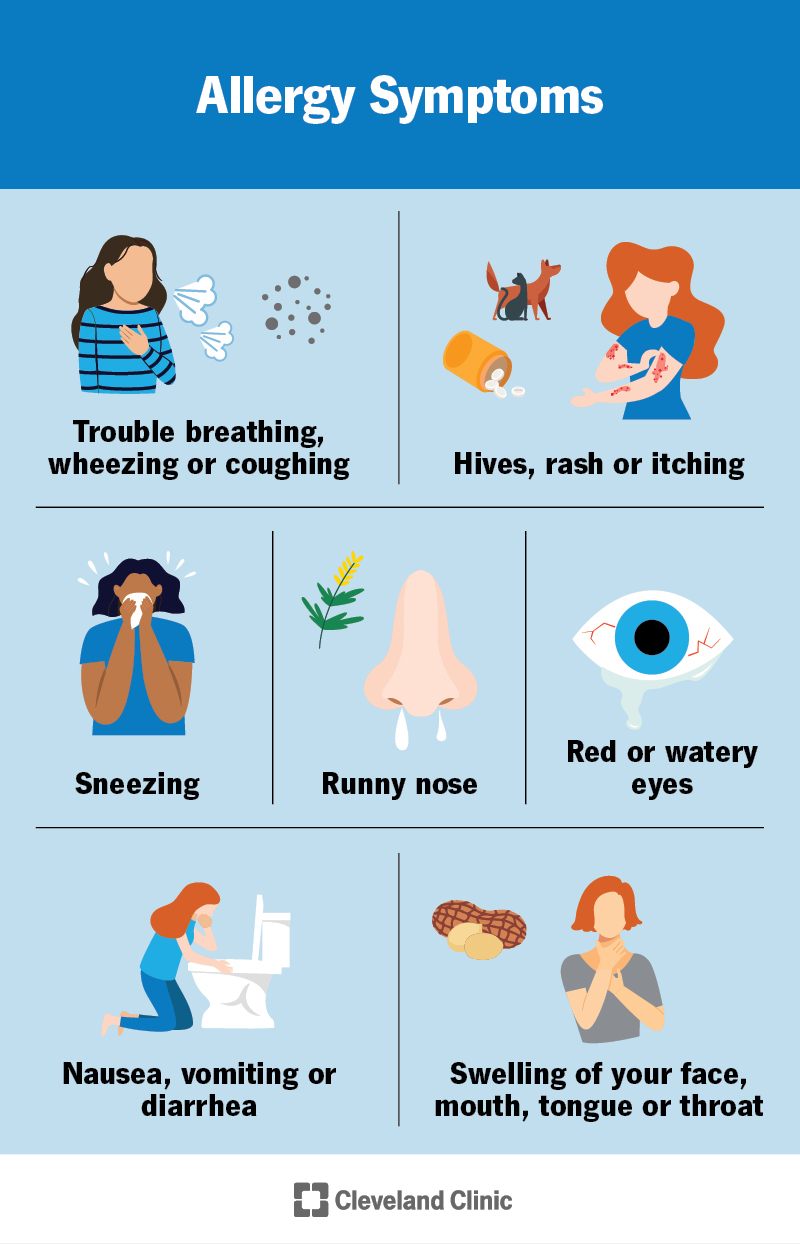
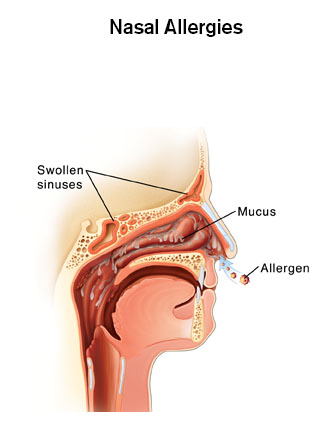
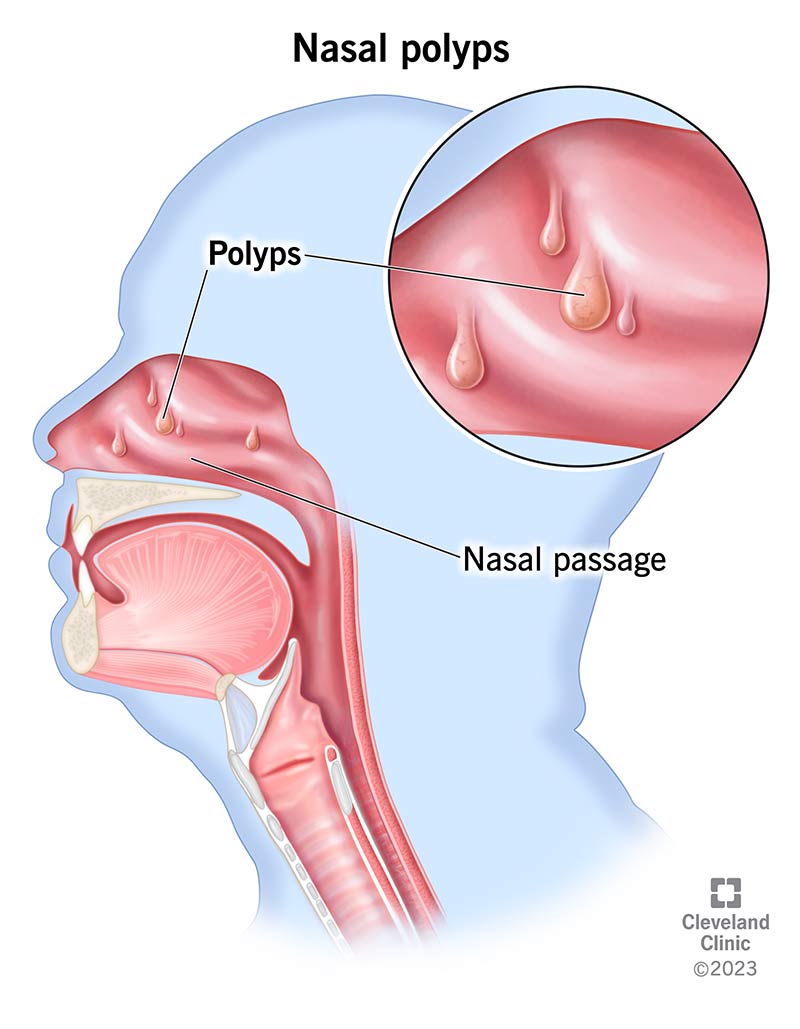
Allergic Rhinitis can block the nose and force mouth breathing.
When the mouth stays open during sleep, saliva may leak out, leading to drooling.
Other symptoms
- Sneezing
- Runny nose
- Itchy eyes
- Nasal congestion
When Drooling Is Usually Harmless
Drooling may simply occur because of:
- Sleeping on your side or stomach
- Deep sleep stages
- Nasal congestion from a cold
- Certain medications
Occasional drooling is usually not dangerous.
When You Should See a Doctor
Seek medical advice if drooling is:
- Sudden and severe
- Accompanied by difficulty swallowing
- Linked with snoring or breathing problems
- Occurring with facial weakness or neurological symptoms
✅ Simple ways to reduce sleep drooling
- Sleep with your head slightly elevated
- Treat nasal congestion
- Maintain good sleep posture
- Manage acid reflux and allergies
💡 If you’d like, I can also show you 7 strange body signs during sleep that doctors say may reveal hidden diseases (many people ignore them).