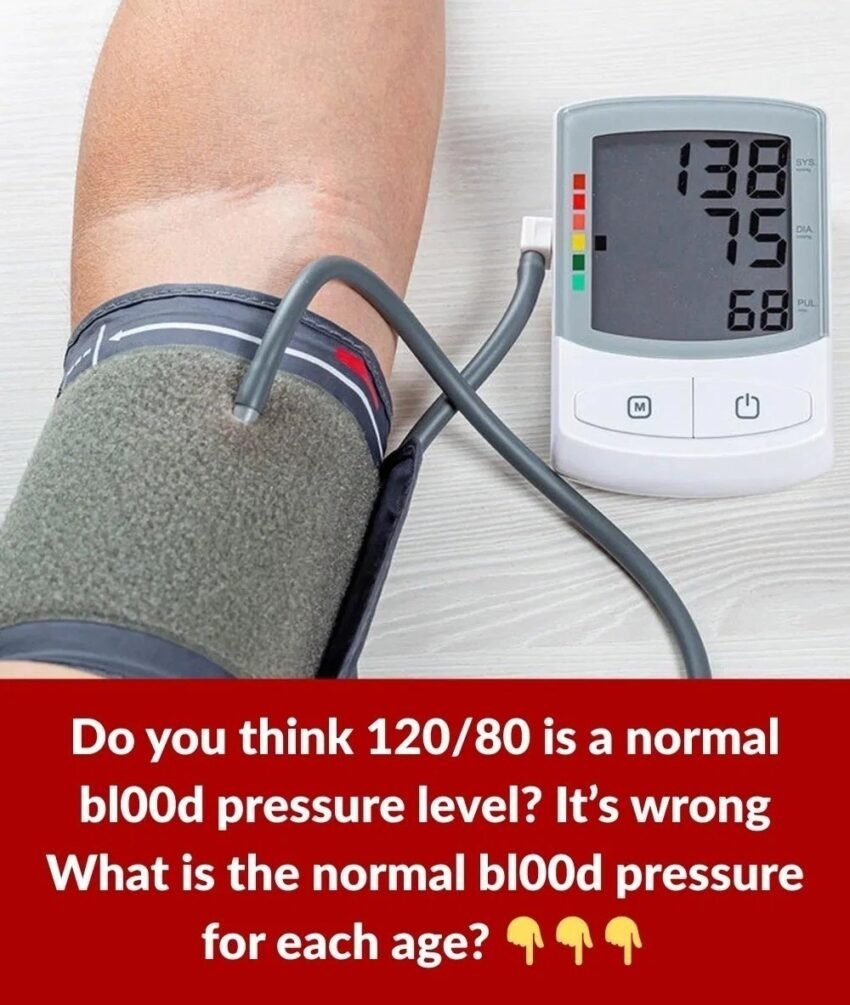
Normal blood pressure is measured in two numbers:
- Systolic (top number): pressure when the heart beats
- Diastolic (bottom number): pressure when the heart rests
Blood pressure is closely linked to conditions like Hypertension (high blood pressure) and overall heart health. ❤️
Standard Blood Pressure Categories (Adults)
| Category | Systolic (Top) | Diastolic (Bottom) |
|---|---|---|
| Normal | Less than 120 | Less than 80 |
| Elevated | 120–129 | Less than 80 |
| High (Stage 1) | 130–139 | 80–89 |
| High (Stage 2) | 140 or higher | 90 or higher |
| Hypertensive Crisis | 180+ | 120+ |
What Is “Normal” for Different Groups?
Adults
- Ideal: ~120/80 mmHg
- Slight variations are normal depending on age and health
Older Adults
- Often slightly higher (e.g., 130–139 systolic) may be acceptable depending on medical advice
Children & Teens
- Normal varies by age, height, and gender, so doctors use growth charts rather than fixed numbers
Low Blood Pressure
- Typically considered low if below 90/60 mmHg
- Can cause dizziness, fainting, or weakness
When to Be Concerned
Seek medical advice if:
- Readings are consistently above 130/80
- You experience symptoms like headaches, chest pain, or dizziness
- Readings reach 180/120 or higher (emergency)
✅ Tips to Maintain Healthy Blood Pressure
- Reduce salt intake
- Exercise regularly
- Maintain a healthy weight
- Manage stress
- Avoid smoking and excess caffeine
If you want, I can also share:
- 10 foods that naturally lower blood pressure
- How to check blood pressure correctly at home step-by-step 🩺