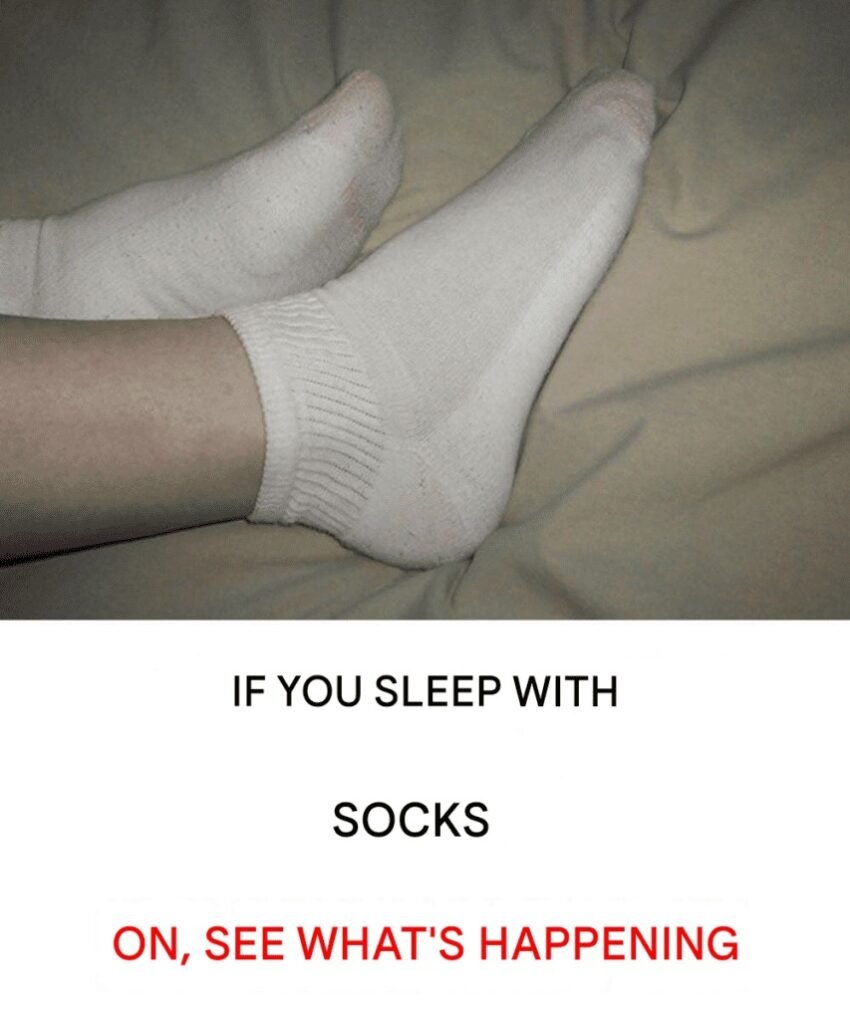
Seniors often overlook socks at home, thinking bare feet are more comfortable—but wearing socks regularly can provide significant health, safety, and comfort benefits. Here’s a detailed explanation:
1. Prevent Slips and Falls
- Many socks for seniors come with non-slip grips on the soles.
- Falls are a leading cause of injuries among older adults, and wearing socks can improve traction on smooth floors.
- Bare feet or regular socks without grips can slide easily, especially on hardwood or tile.
2. Maintain Foot Warmth
- Seniors often have poor circulation, which makes their feet feel cold.
- Cold feet can increase the risk of discomfort, joint stiffness, or even falls due to numbness.
- Warm socks help maintain overall body warmth, especially during winter or in air-conditioned homes.
3. Prevent Skin Problems
- Socks act as a barrier against friction, reducing the risk of blisters, calluses, or ulcers.
- For seniors with diabetes or sensitive skin, socks can protect against infections by keeping feet clean and reducing contact with bacteria.
- Moisture-wicking socks keep feet dry, which helps prevent fungal infections like athlete’s foot.
4. Improve Circulation
- Specialized compression socks can help improve blood flow, reducing swelling (edema) in the feet and ankles.
- Better circulation helps reduce fatigue and discomfort, and supports heart and vascular health.
5. Hygiene and Odor Control
- Socks absorb sweat and reduce bacterial or fungal growth, keeping feet healthier and reducing odor.
- Clean socks also prevent dirt or dust contact, which is important for seniors who may have weaker immune systems.
6. Comfort and Psychological Well-Being
- Warm, well-fitting socks can make seniors feel cozy and secure, improving overall comfort at home.
- Some seniors may experience cold-induced joint pain or arthritis flare-ups, which socks can help reduce.
✅ Tips for Choosing Socks for Seniors
- Non-slip soles – especially for walking around the house.
- Moisture-wicking fabric – cotton, bamboo, or wool blends.
- Soft, seamless design – prevents irritation or pressure on sensitive skin.
- Proper fit – not too tight to avoid restricting circulation, not too loose to avoid tripping.
- Compression socks – if recommended by a doctor for swelling or circulation issues.
💡 Takeaway: Wearing socks at home isn’t just about warmth—it’s about safety, circulation, hygiene, and comfort. For seniors, it can significantly reduce risks of falls, infections, and foot pain.
If you want, I can make a list of the best types of socks specifically designed for seniors at home. It’s quite practical. Do you want me to do that?