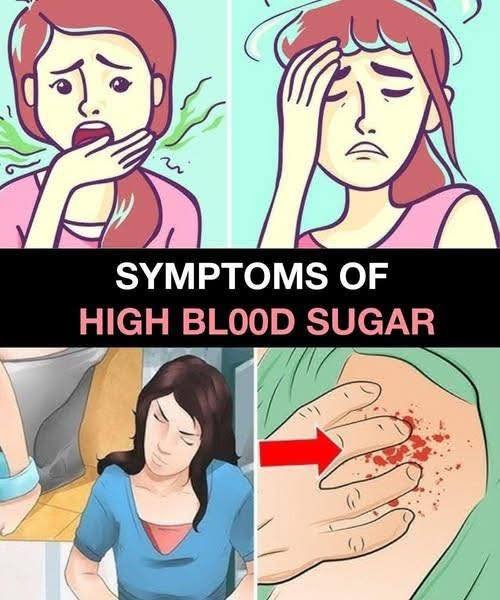
High blood sugar (called hyperglycemia) occurs when there is too much glucose in the bloodstream, often related to conditions like Diabetes. Recognizing the symptoms early can help prevent serious complications. 🩸
Common Symptoms of High Blood Sugar
1. Frequent Urination
You may need to urinate more often, especially at night, as the body tries to remove excess sugar through urine.
2. Increased Thirst
Because of frequent urination, the body becomes dehydrated, leading to constant thirst.
3. Increased Hunger
Even after eating, you may feel hungry because the body cannot properly use glucose for energy.
4. Fatigue
High blood sugar can make you feel tired or weak due to poor energy use by the cells.
5. Blurred Vision
Excess glucose can cause swelling in the eye lenses, affecting vision.
6. Headaches
People with high blood sugar sometimes experience persistent headaches.
7. Slow Healing
Cuts, bruises, or infections may take longer to heal.
8. Dry Mouth and Dry Skin
Dehydration from high blood sugar can cause dry mouth and itchy or dry skin.
9. Tingling or Numbness
Long-term high blood sugar may damage nerves, causing tingling in hands or feet.
Severe Symptoms (Need Medical Attention)
If blood sugar becomes very high, symptoms can worsen and may include:
- Nausea and vomiting
- Confusion
- Shortness of breath
- Fruity-smelling breath
These can be signs of serious complications such as Diabetic Ketoacidosis, which requires immediate medical care.
When to See a Doctor
- Symptoms occur frequently
- Blood sugar stays above 180 mg/dL after meals
- You feel very weak, dizzy, or confused
✅ Tip: Regular monitoring with a glucose meter and healthy habits (balanced diet, exercise, medication if prescribed) can help keep blood sugar levels stable.
If you want, I can also explain:
- 10 early warning signs of diabetes most people ignore
- Foods that quickly lower high blood sugar naturally.